Can You Choose Your Own Collision Repair Shop in New York?
New York drivers can choose their own collision repair shop while still working with their insurance company throughout the claim and repair process.
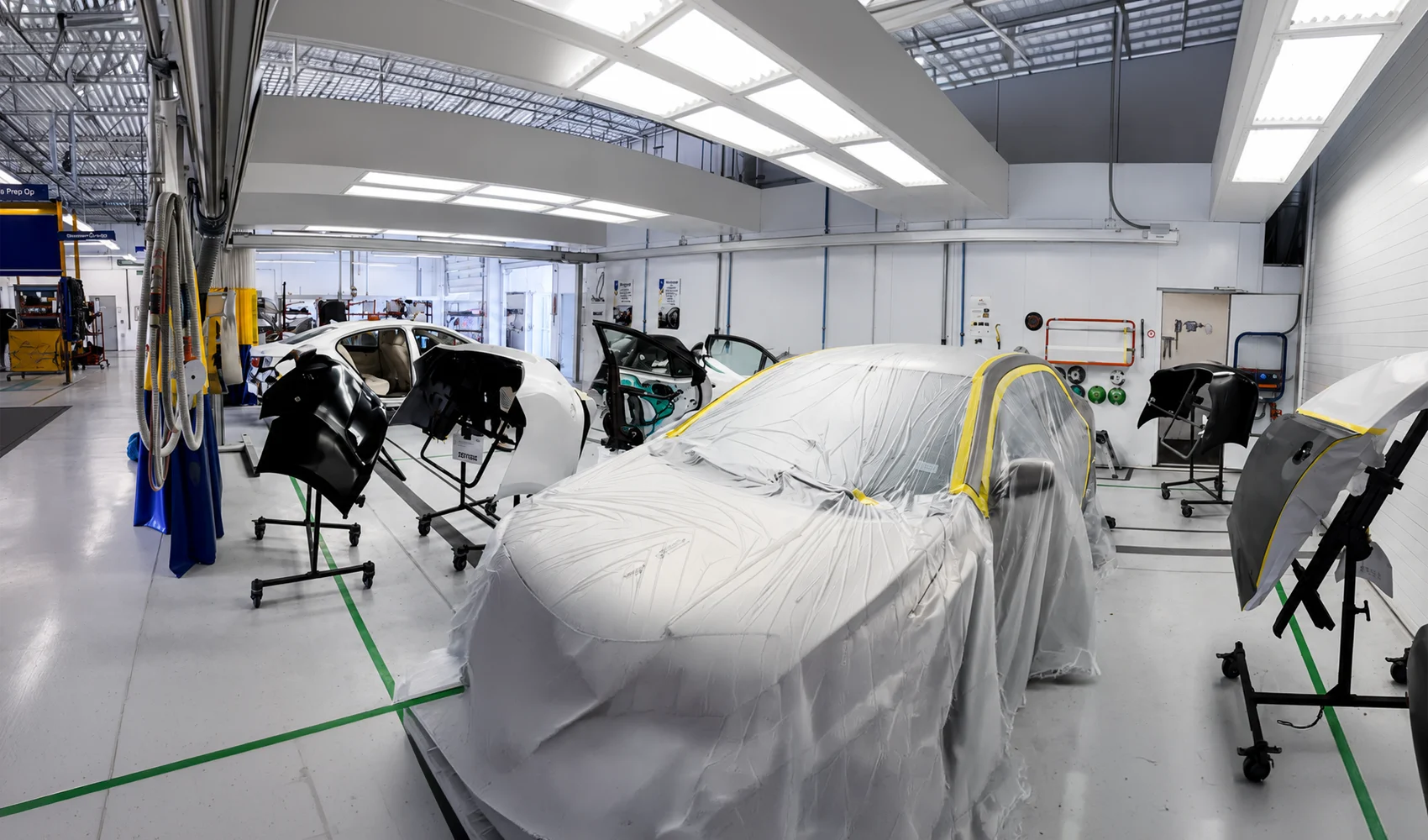
After a collision, your insurance company may provide the name of a repair facility or explain the benefits of using a shop within its network. This can leave you wondering whether the recommendation is optional or whether you are required to use that facility.
In New York, an insurance company generally cannot require you to have covered collision repairs completed at one particular shop. You can select the collision repair facility you prefer, including one that is not part of the insurer’s repair network.
You generally have the right to choose your own collision repair shop in New York. An insurer may recommend a participating facility, but the decision about where your vehicle is repaired remains yours.
1. What New York Law Says
New York law generally allows you to choose which collision repair facility repairs your vehicle. When an insurance company is handling a covered collision or comprehensive claim, it cannot require you to use one particular repair shop.
Your insurer may explain its repair program or provide the name of a participating shop when you request a recommendation. Choosing that facility is optional. You may select another properly registered repair shop based on your own preferences and the needs of your vehicle.
This right applies to the choice of repair facility. Questions about the repair estimate, covered costs, parts, procedures, and payment are handled separately as part of the insurance claim.
2. Why an Insurance Company May Mention a Repair Shop
An insurance company may have a network of participating repair facilities, sometimes called a direct repair program. These shops have established administrative arrangements with the insurer for estimates, documentation, communication, and claim handling.
Using a participating shop may offer conveniences such as simplified communication or an insurer-backed repair guarantee. However, these features do not remove your right to select a different repair facility.
A recommendation and a requirement are not the same. In New York, an insurer generally may identify a specific repair shop after you expressly request a recommendation, but you are not required to accept it.
You can consider the insurer’s recommendation alongside other factors, including the shop’s training, certifications, repair capabilities, communication, and experience with your vehicle.
3. What Is a Direct Repair Program?
A direct repair program, often called a DRP, is an arrangement between an insurance company and participating collision repair facilities. These shops may follow specific procedures for estimates, documentation, claim communication, and repair updates.
A participating shop may provide a more streamlined administrative process because it already works within the insurer’s program. Depending on the insurer, the program may also include additional repair-guarantee terms or claim support.
You are not required to choose a participating shop simply because your insurer has a direct repair program. A repair facility outside the network can still inspect the vehicle, prepare repair documentation, communicate with the insurance company, and complete the repair.
Insurer-Network Shop
Customer-Selected Shop
4. What Happens When You Choose Your Own Shop?
Once you select a collision repair facility, let the insurance company know where you want the vehicle inspected or repaired. You can then provide the shop with your claim number, insurance information, and any estimate or claim documents you have received.
The repair facility can inspect the vehicle, document the damage, and prepare its estimate or repair plan. If additional damage or required repair operations are identified, the shop may communicate with the insurance company and submit supporting information for review.
Before authorizing repairs, review the available estimate, ask questions about the proposed work, and make sure you understand how changes to the repair plan will be communicated.
Ask for a written estimate or repair plan and confirm how additional damage or changes will be communicated.
5. Choosing the Shop Does Not Settle Every Claim Question
Your right to choose a collision repair facility is separate from the amount the insurance company agrees to pay under the claim.
The repair facility may document parts, procedures, labor, scans, measurements, or other operations it believes are needed. The insurance company may review that information and may not initially agree with every item included in the repair plan.
When differences arise, the repair facility and insurer may exchange estimates, photographs, manufacturer procedures, and other supporting records. Ask how any unresolved cost differences will be handled before authorizing repairs.
6. What to Look for in a Collision Repair Facility
Choosing a repair shop is about more than location or convenience. The facility should be able to explain how it approaches repair planning, vehicle-specific procedures, documentation, and the work required for your particular vehicle.
When comparing collision repair facilities, consider how each shop handles vehicle-specific repair procedures, documentation, training, and the work required for your particular vehicle.
Frequently Asked Questions
Helpful Resources
Need Help Understanding Your Repair Options?
If your vehicle has been damaged, The Accident Repair Center can help you understand the next steps in the repair and insurance process.
Our team can review the visible damage, discuss your claim information, and explain how the repair process may move forward based on your vehicle and repair needs.